
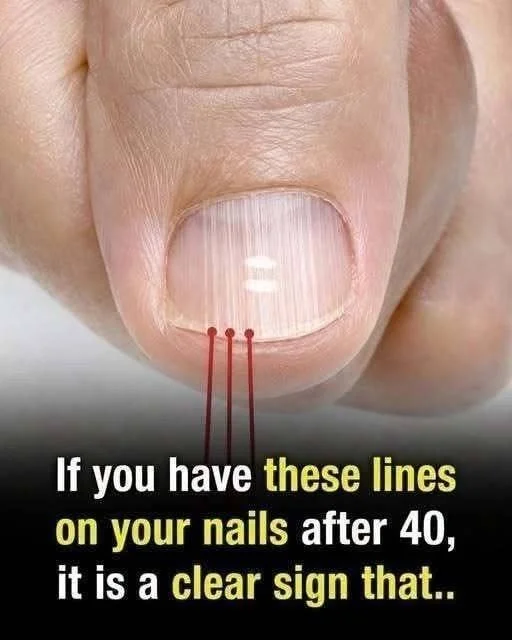
Another possible contributor to noticeable nail ridges is dryness.
Although drinking enough water is important for overall health, nail appearance is also influenced by external factors.
Frequent handwashing, household cleaning products, detergents, cold weather, and repeated exposure to water can weaken the nail surface.
When nails become dry, their natural texture may become more noticeable.
You might also observe:
Peeling nail layers.
Brittle edges.
Small cracks.
Rough surfaces.
Splitting near the tips.
Moisturizing your hands and nails regularly can help reduce dryness.
Discover more
Herb
HERB
Get Produce Boxes
Consider applying a fragrance-free hand cream after washing your hands and using a cuticle moisturizer to protect the skin around your nails.
Wearing protective gloves while cleaning or washing dishes can also reduce repeated exposure to harsh products.
3. Nutritional Deficiencies May Affect Nail Health
Your nails require several nutrients to grow normally.
A balanced diet provides the proteins, vitamins, and minerals needed to maintain healthy nail structure.
In some cases, nutritional deficiencies can contribute to changes in nail appearance.
However, it is important to understand that vertical ridges alone are not a reliable way to diagnose a vitamin or mineral deficiency.
Iron Deficiency
Iron helps the body produce hemoglobin, a protein in red blood cells responsible for carrying oxygen.
When iron levels become too low, a person may develop iron-deficiency anemia.
Possible symptoms include:
Persistent fatigue.
Weakness.
Dizziness.
Shortness of breath.
Pale skin.
Headaches.
Brittle nails.
A particular nail change associated with significant iron deficiency is called koilonychia, or spoon-shaped nails.
Discover more
Ear
Bananas
Study Anatomy
Instead of having a normal curved surface, the nails become unusually thin and develop a concave appearance.
Iron deficiency does not typically cause isolated vertical ridges, but it may contribute to other nail abnormalities.
Good dietary sources of iron include lean meat, beans, lentils, spinach, and fortified cereals.
Vitamin B12 Deficiency
Vitamin B12 is essential for normal nerve function, red blood cell production, and DNA synthesis.
A deficiency can cause fatigue, weakness, neurological symptoms, and certain changes in the nails.
Some people with B12 deficiency develop unusual nail pigmentation or discoloration.
However, vertical ridges are not a specific sign of B12 deficiency.
People who follow strict vegetarian or vegan diets, older adults, and individuals with certain digestive conditions may have an increased risk of inadequate B12 levels.
Sources include fish, meat, eggs, dairy products, and fortified foods.
Biotin and Nail Strength
Discover more
Browse Reference
Learn a Language
Order Drinks
Biotin, also known as vitamin B7, participates in the metabolism of fats, carbohydrates, and proteins.
It is frequently marketed as a supplement for stronger nails and healthier hair.
Some limited research suggests that biotin supplementation may improve nail brittleness in certain individuals.
However, evidence is insufficient to recommend biotin for everyone with nail ridges.
Biotin deficiency is relatively uncommon, and taking supplements without a demonstrated need may be unnecessary.
Importantly, high-dose biotin can interfere with certain laboratory tests, including some thyroid and heart-related blood tests.
Always inform your healthcare professional if you take biotin supplements.
4. Thyroid Problems Can Sometimes Affect Your Nails
The thyroid gland produces hormones that help regulate metabolism, energy use, and several important bodily functions.
When thyroid hormone levels become abnormal, changes may occur in the skin, hair, and nails.
Both an underactive thyroid and an overactive thyroid can affect nail health.
People with hypothyroidism may experience:
Dry skin.
Brittle nails.
Slower nail growth.
Hair thinning.
Fatigue.
Sensitivity to cold.
Hyperthyroidism can also cause nail changes, including nail separation from the nail bed in some cases.
Discover more
Beverages
Drink
Find Barware
However, vertical ridges alone are not a reliable indication of thyroid disease.
If nail changes occur alongside unexplained fatigue, weight changes, temperature sensitivity, or changes in heart rate, discussing thyroid testing with a healthcare professional may be appropriate.
5. Repeated Nail Trauma Can Create Ridges
Sometimes the explanation has nothing to do with aging or nutritional deficiencies.
Repeated physical damage to the nail matrix can affect how the nail grows.
The nail matrix is the tissue located beneath the skin at the base of the nail. It produces the cells that gradually form the nail plate.
If this area is repeatedly irritated or injured, the resulting nail may develop an uneven surface.
Possible causes include:
Frequent manicures.
Aggressive cuticle pushing.
Nail biting.
Picking at the nail surface.
Repeated pressure.
Minor injuries.
Excessive use of artificial nails.
Protecting the nail matrix is important because damage in this area can influence the appearance of the nail as it grows.
Discover more
Book Workouts
Build Muscle
Find Lung Care
Avoid cutting or aggressively pushing back your cuticles, and give your nails time to recover between intensive cosmetic treatments.
6. Skin Conditions Can Affect Nail Texture
Certain skin conditions can also change the appearance of fingernails.
One example is psoriasis.
Although psoriasis is commonly associated with red, scaly patches on the skin, it can also affect the nail matrix and nail bed.
Nail psoriasis may produce several distinctive changes, including:
Small pits across the nail surface.
Thickened nails.
Yellowish or brownish discoloration.
Nail separation.
Crumbling edges.
Irregular ridges.
Eczema and other inflammatory skin conditions may also affect the skin around the nails and interfere with normal nail growth.
If you notice several unusual nail changes, particularly alongside persistent skin symptoms, a dermatologist can help determine the cause.
7. Vertical Ridges Are Different From Horizontal Lines

