
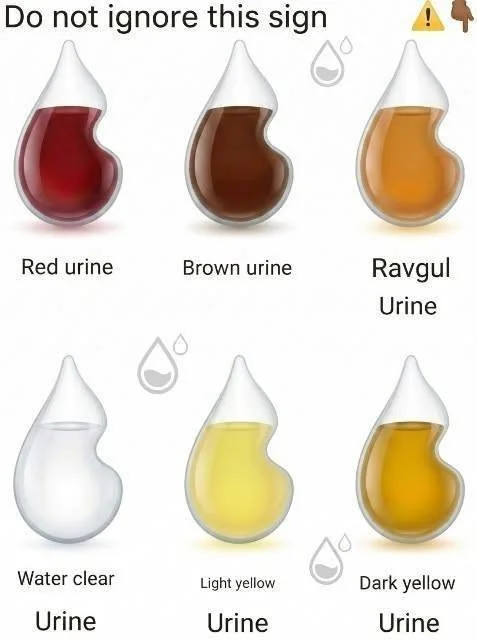
Light yellow is generally considered a normal urine color.
The yellow appearance comes primarily from a pigment called urochrome, also known as urobilin.
This pigment is produced during the normal breakdown of hemoglobin, the protein that carries oxygen in red blood cells.
When your body has an appropriate balance of fluids, urine often appears pale yellow.
Its color can vary depending on:
How much water you drink.
How much you sweat.
Physical activity.
Temperature.
Time of day.
Certain foods and supplements.
For example, your first urine in the morning may be darker because you have not consumed fluids during the night.
Discover more
Study Chemistry
Shop Craft Beers
Study Anatomy
This is usually normal.
Light yellow urine generally suggests that your body is receiving a reasonable amount of fluid, although color alone cannot determine whether you are perfectly hydrated.
3. Dark Yellow or Amber Urine: A Possible Sign of Dehydration
If your urine becomes darker yellow or amber, one possible explanation is dehydration.
Dehydration occurs when your body loses more water than it takes in.
This can happen after exercising, spending time in hot weather, experiencing fever, sweating heavily, or having diarrhea or vomiting.
When the body conserves water, urine becomes more concentrated.
As a result, its color may become darker.
Other possible signs of dehydration include:
Increased thirst.
Dry mouth.
Headaches.
Tiredness.
Dizziness.
Reduced urination.
Darker urine.
How can you respond?
Discover more
Find Treatments
Read Med Journals
Time Change
Drink fluids regularly throughout the day.
If you have been sweating heavily, working outdoors, or exercising, you may need additional fluids.
After vomiting or diarrhea, an oral rehydration solution may be useful because it replaces both water and important electrolytes.
People with kidney disease, heart failure, or certain other medical conditions may have specific fluid restrictions, so they should follow their healthcare professional’s recommendations.
If dark urine continues despite adequate fluid intake, it is important to investigate other possible causes.
4. Red or Pink Urine: A Color That Should Never Be Ignored
Red or pink urine can be alarming.
One possible explanation is the presence of blood, a condition known as hematuria.
Blood in the urine can occur for several reasons, including:
Urinary tract infections.
Kidney stones.
Bladder stones.
Kidney infections.
Prostate conditions.
Kidney or bladder disorders.
Certain medications.
Injury to the urinary tract.
Sometimes, blood in the urine is visible. In other cases, it can only be detected through laboratory testing.
Discover more
Herb
HERB
Ear
Importantly, red urine does not always mean blood is present.
Certain foods can temporarily change urine color.
For example, beetroot and some strongly pigmented foods may produce reddish or pinkish urine in some individuals.
However, it is not possible to reliably distinguish harmless food-related discoloration from blood simply by looking.
When should you seek medical attention?
Any unexplained visible blood in the urine should be assessed promptly, even if there is no pain.
Seek urgent medical attention if red urine occurs alongside severe abdominal or back pain, fever, difficulty urinating, or blood clots.
Do not assume that the problem is harmless simply because it disappears after one bathroom visit.
5. Brown or Tea-Colored Urine: What Could It Mean?
Brown, dark brown, or tea-colored urine can have several possible explanations.
One relatively common cause is significant dehydration.
When urine becomes highly concentrated, it can appear much darker than usual.
Discover more
Order Calendars
vitamin
Order Vitamins
However, brown urine can also be associated with medical conditions that require investigation.
Possible causes include:
Liver Problems
Certain liver conditions can increase bilirubin levels in the blood.
Bilirubin is a yellow pigment produced during the normal breakdown of red blood cells.
When bilirubin enters the urine, it may make it appear unusually dark.
Conditions such as hepatitis and bile duct obstruction can sometimes cause dark urine.
Other symptoms may include yellowing of the eyes or skin, pale stools, abdominal discomfort, and itching.
Muscle Injury
Severe muscle damage can release a protein called myoglobin into the bloodstream.
The kidneys filter this substance, and it may make urine appear reddish-brown or cola-colored.
This condition is called rhabdomyolysis.
Discover more
Look Up Facts
Learn a Language
Find Vector Art
It can occur after severe muscle injury, extreme physical exertion, or certain medical conditions.
Rhabdomyolysis can damage the kidneys and requires urgent medical evaluation.
Medications
Some medications can also change urine color.
Certain antibiotics, laxatives, and other prescription medicines may cause darker urine.
What should you do?
If your urine becomes brown without an obvious explanation, seek medical advice promptly.
If you also experience severe muscle pain, weakness, reduced urination, jaundice, or fever, seek urgent medical attention.
6. Cloudy or Whitish Urine: Could It Be an Infection?

