
Urine that looks cloudy, milky, or unusually white may have several possible explanations.
One possibility is a urinary tract infection.
A urinary tract infection occurs when bacteria enter and multiply within parts of the urinary system.
Common symptoms include:
Burning or pain during urination.
Frequent urination.
A strong urge to urinate.
Lower abdominal discomfort.
Cloudy urine.
Unusual urine odor.
However, cloudy urine does not automatically mean an infection is present.
Discover more
Order Calendars
Order Vitamins
Look Up Facts
Other possible explanations include:
Crystals or mineral deposits.
Mucus.
Semen contamination.
Vaginal discharge mixing with the urine sample.
Certain inflammatory conditions.
A urinary tract infection may also occur without visibly cloudy urine.
When should you see a doctor?
If cloudy urine is accompanied by burning, frequent urination, pelvic discomfort, or unusual urgency, medical assessment may be appropriate.
Seek prompt care if you develop fever, chills, back or side pain, nausea, or vomiting, as these can indicate a kidney infection.
7. Orange Urine: A Possible Sign of Dehydration or Medication Effects
Orange urine may appear when urine becomes concentrated, but there are other possible explanations.
Certain medications can change urine color.
For example, phenazopyridine, a medicine used to relieve urinary discomfort, can produce orange or reddish-orange urine.
Discover more
HERB
Herb
Ear
Some vitamin supplements and medications can also influence urine appearance.Order Vitamins
In other cases, orange urine may be associated with increased bilirubin.
This is particularly important when it occurs alongside yellowing of the skin or eyes, pale stools, or abdominal discomfort.
If orange urine persists without an obvious explanation, consult a healthcare professional.
8. Green or Blue Urine: An Unusual but Sometimes Harmless Change
Green or blue urine is uncommon, but it can happen.
Certain medications, dyes, and medical procedures may cause these unusual colors.
For example, some diagnostic dyes and medications can temporarily change urine appearance.
In rare situations, certain bacterial infections may also produce greenish urine.
Although the color may look surprising, it is not automatically a sign of a serious condition.
If you notice green or blue urine without an obvious explanation, particularly if you also have urinary symptoms or fever, seek medical advice.
9. Why Your Urine Color Changes Throughout the Day
Discover more
Study Chemistry
Shop Craft Beers
Study Anatomy
Urine color is not necessarily constant.
It can change several times throughout the day depending on fluid consumption, physical activity, food, medications, and normal body processes.
For example:
In the Morning
Urine is often darker after several hours without drinking fluids during sleep.
After Drinking Water
Urine may become lighter as the kidneys eliminate additional water.
After Exercise
Sweating can reduce body water, making urine more concentrated.
During Hot Weather
Higher temperatures can increase sweating and contribute to darker urine.
After Eating Certain Foods
Beetroot, food coloring, and some strongly pigmented foods can temporarily affect urine appearance.
These changes are often harmless, but persistent unusual colors deserve attention.
Discover more
Find Treatments
Read Med Journals
Time Change
10. What Your Urine Color Cannot Tell You
Although urine color provides useful clues, it is important not to rely on appearance alone.
A person can have a urinary tract infection with urine that looks completely normal.
Kidney disease can also exist without obvious changes in urine color.
Likewise, dark urine does not automatically mean liver disease, and pale urine does not guarantee that kidney function is normal.
Healthcare professionals use several methods to investigate urinary problems, including:
Urine dipstick testing.
Urinalysis.
Urine culture.
Blood tests.
Kidney function tests.
Imaging examinations when necessary.
These tests provide much more reliable information than color alone.
11. Five Healthy Habits That Support Urinary Health
Taking care of your urinary system involves more than simply drinking water.
A few everyday habits can help support general urinary health.
1. Drink Enough Fluids
Maintain regular fluid intake throughout the day.
Your individual needs depend on your activity level, climate, health, and medications.
2. Avoid Ignoring Persistent Urinary Symptoms
Discover more
Learn a Language
Find Vector Art
Time
Burning, pain, blood, or unusual changes in urination should not be ignored.
3. Maintain Good Personal Hygiene
Appropriate hygiene can help reduce irritation and support urinary comfort.
4. Be Careful With Supplements
Some vitamins and supplements can change urine color.
Tell your healthcare professional about any supplements you take, particularly if you notice unexplained changes.
5. Attend Recommended Health Checkups
People with diabetes, kidney conditions, or other chronic illnesses may need regular monitoring of their urinary and kidney health.
12. Warning Signs That Require Medical Attention
Some urine changes deserve more attention than others.
Contact a healthcare professional if you notice:
Visible blood in your urine.
Persistent brown or tea-colored urine.
Cloudy urine accompanied by pain or burning.
Repeated unusual urine discoloration.
Persistent changes in urination.
Dark urine accompanied by yellow eyes or skin.
Seek urgent medical care if you experience fever with side or back pain, severe abdominal pain, inability to urinate, blood clots, or severe muscle pain with cola-colored urine.
These symptoms may indicate conditions that need immediate evaluation.
Final Thoughts: Take a Look Before You Flush
Your urine can provide useful information about hydration and certain aspects of your health.
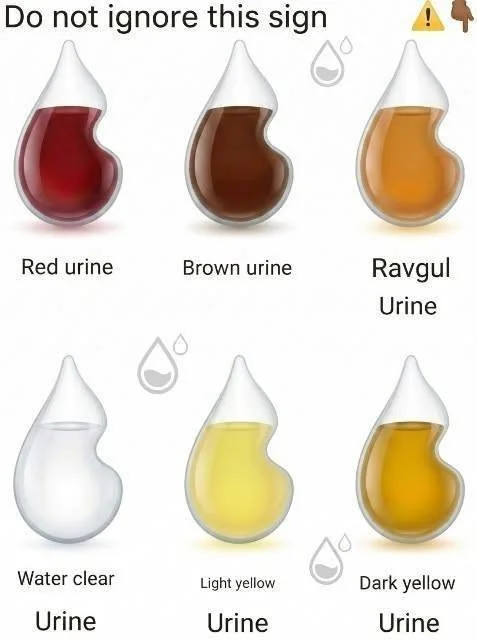
Pale yellow urine is generally normal, while darker yellow urine may suggest that you need more fluids.
Red, brown, orange, cloudy, or unusually colored urine can have several explanations, ranging from food and medication effects to conditions requiring medical attention.
The most important thing is to pay attention to persistent or unexplained changes rather than immediately assuming the worst.
Remember that urine color is only one small part of understanding your health. It cannot diagnose kidney disease, liver problems, infections, or other medical conditions on its own.
If something looks unusual and does not return to normal, especially if other symptoms are present, getting the right medical assessment is the safest approach.
Sometimes, taking just a few seconds before flushing can help you notice a change worth discussing with your doctor.

