
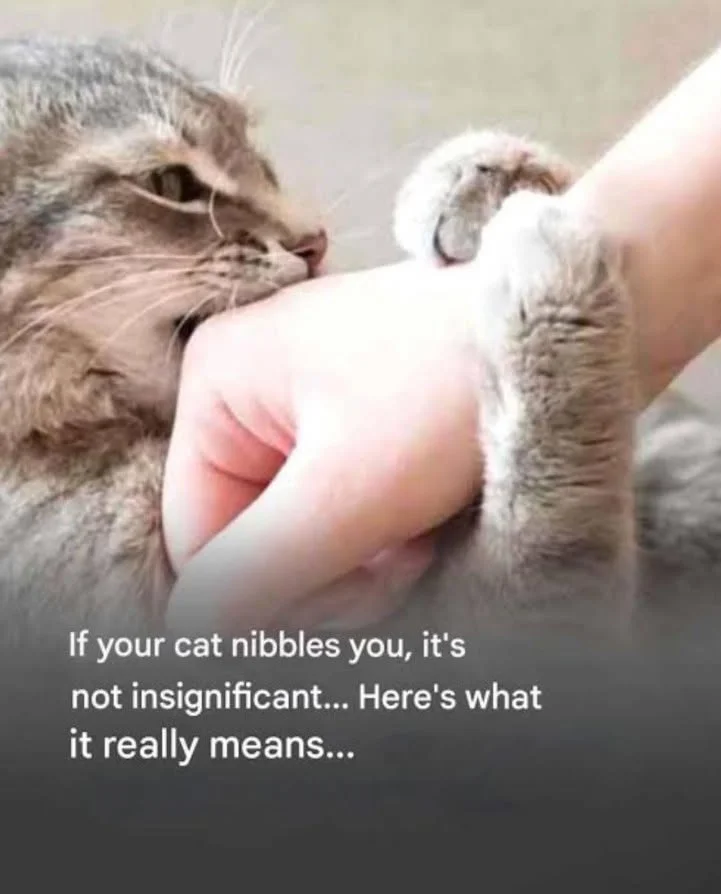
Unlocking this hidden mystery reveals that cats operate on a delicate balance of neurotransmitters and seasonal instincts that dictate their tolerance levels. When a cat nibbles you, their brain is releasing a surge of adrenaline driven by predatory drive or sudden tactile fatigue. By recognizing these subtle neurological shifts, you can completely transform how you respond, turning potential conflicts into powerful bonding opportunities. Instead of pulling away harshly or yelling—which only creates fear and confusion—the best approach is to freeze, remain calm, and calmly redirect their attention to an appropriate toy.
## Practical Steps to Redirect and Manage Cat Behavior
Managing and redirecting this behavior requires consistency, patience, and a proactive mindset. If your cat has a habit of using their teeth during play or petting sessions, you must establish clear rules that protect your skin while honoring their natural instincts. Always keep interactive wand toys nearby so you can easily shift their predatory focus away from your hands and onto a safe outlet. Rewarding calm behavior with treats and gentle praise reinforces the idea that human skin is off-limits for biting.
Creating a harmonious environment also involves providing enough mental stimulation and physical enrichment throughout the day. Bored cats are far more likely to seek out attention through mischievous nipping or sudden ambushes around the house. Interactive puzzle feeders, climbing perches, and scheduled play sessions help burn off excess energy, leaving your feline companion relaxed and less inclined to test your boundaries with their teeth 🌿.
## The Health and Physiological Perspective
From a holistic health perspective, sudden changes in behavior—such as increased biting or sensitivity—can sometimes indicate underlying physical discomfort or pain. If a cat that is normally docile suddenly starts to nibble or snap when touched in specific areas, it could be a sign of arthritis, dental pain, or hidden injuries. Regular veterinary checkups are crucial to rule out medical issues that might be altering your pet's mood and tactile tolerance.
Supporting your cat's overall well-being through balanced nutrition, stress-reduction techniques like synthetic pheromones, and a predictable daily routine goes a long way in reducing behavioral anxiety. When a cat feels safe, secure, and physically comfortable, the need to communicate through sharp nips diminishes significantly, paving the way for a deeply harmonious companionship.
## Frequently Asked Questions
**Why does my cat nibble me gently while I am petting them?**
Gentle nibbles are often referred to as "love bites" and are typically a sign of affection, overstimulation, or a remnant of kitten social grooming behavior. They indicate that your cat is deeply engaged and responding to the interaction, though it may also signal that they are reaching their limit for petting.
**How should I react when my cat bites or nibbles my hand?**
The best reaction is to remain completely still and avoid pulling your hand away quickly, as sudden movements mimic prey and can trigger a stronger bite. Calmly withdraw your hand, redirect their attention to a toy, and avoid punishing them, which can damage trust and increase anxiety.

