
Have you ever wondered whether the position you sleep in every night could affect your health? Most people choose a sleeping position based on comfort, without realizing that the way they lie down may influence digestion, breathing, acid reflux, and even certain pregnancy-related symptoms.
One sleeping position that receives considerable attention is sleeping on the left side. Some people claim it improves digestion, protects the heart, reduces acid reflux, and helps the body function more efficiently throughout the night.
But is sleeping on your left side genuinely better for your health?
The answer depends on several factors, including your medical history, age, sleeping habits, and existing health conditions.
Sleeping on the left side does have some potential advantages, particularly for people who experience nighttime acid reflux and pregnant women. However, it is not necessarily the best position for everyone.
Understanding how different sleeping positions affect the body can help you make better decisions about your nighttime routine.
Let’s explore seven important things to know about sleeping on your left side and how your sleeping position may influence your overall well-being.
1. Sleeping on Your Left Side May Help Reduce Acid Reflux
One of the best-known potential benefits of left-side sleeping involves acid reflux.
Acid reflux occurs when stomach contents move backward into the esophagus, the tube connecting the mouth to the stomach.
This can produce an uncomfortable burning sensation in the chest, commonly known as heartburn.
Symptoms may become particularly troublesome at night because lying down can make it easier for stomach contents to move toward the esophagus.
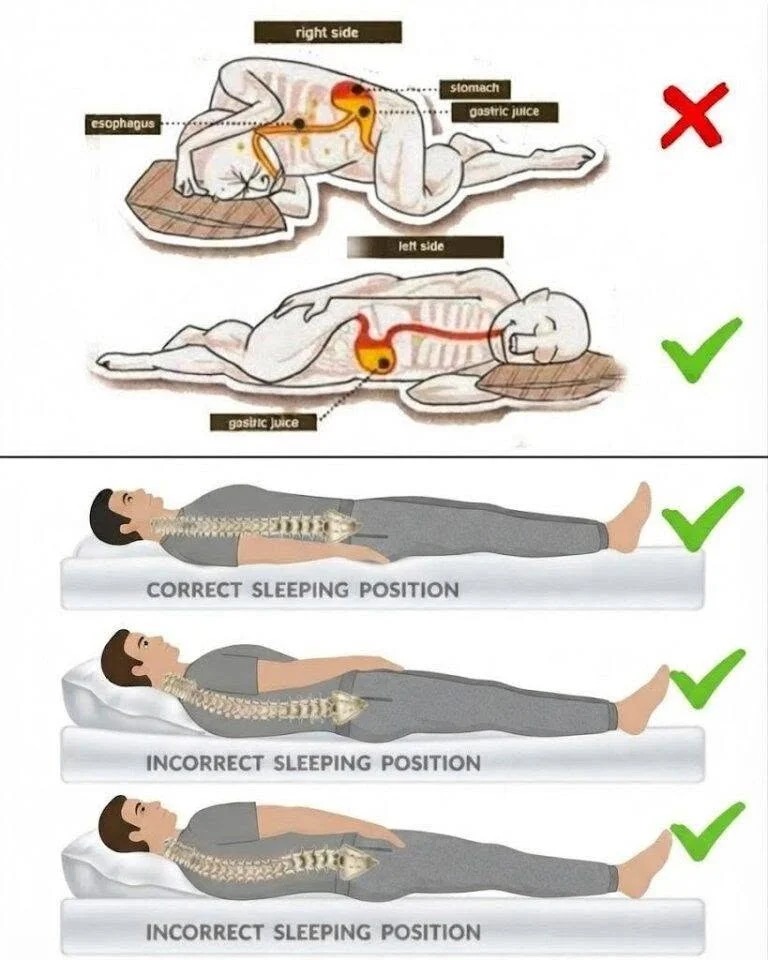
Interestingly, sleeping on your left side may help reduce nighttime reflux in some people.
This is partly related to the position of the stomach and its connection to the esophagus.
When a person lies on the left side, the stomach generally sits below the esophageal opening in a way that makes reflux less likely.
By contrast, lying on the right side may make it easier for stomach contents to move toward the esophagus.
Research suggests that left-side sleeping can reduce nighttime acid exposure and improve reflux symptoms in some individuals.
If you regularly experience heartburn after going to bed, changing your sleeping position may be worth trying.
However, sleeping position is only one part of managing acid reflux.
Other helpful habits include:
- Avoiding large meals shortly before bedtime.
- Limiting foods that trigger your symptoms.
- Avoiding lying down immediately after eating.
- Maintaining a healthy weight when appropriate.
- Raising the head of the bed when recommended.
- Avoiding smoking.
People experiencing frequent or severe reflux should discuss their symptoms with a healthcare professional.

